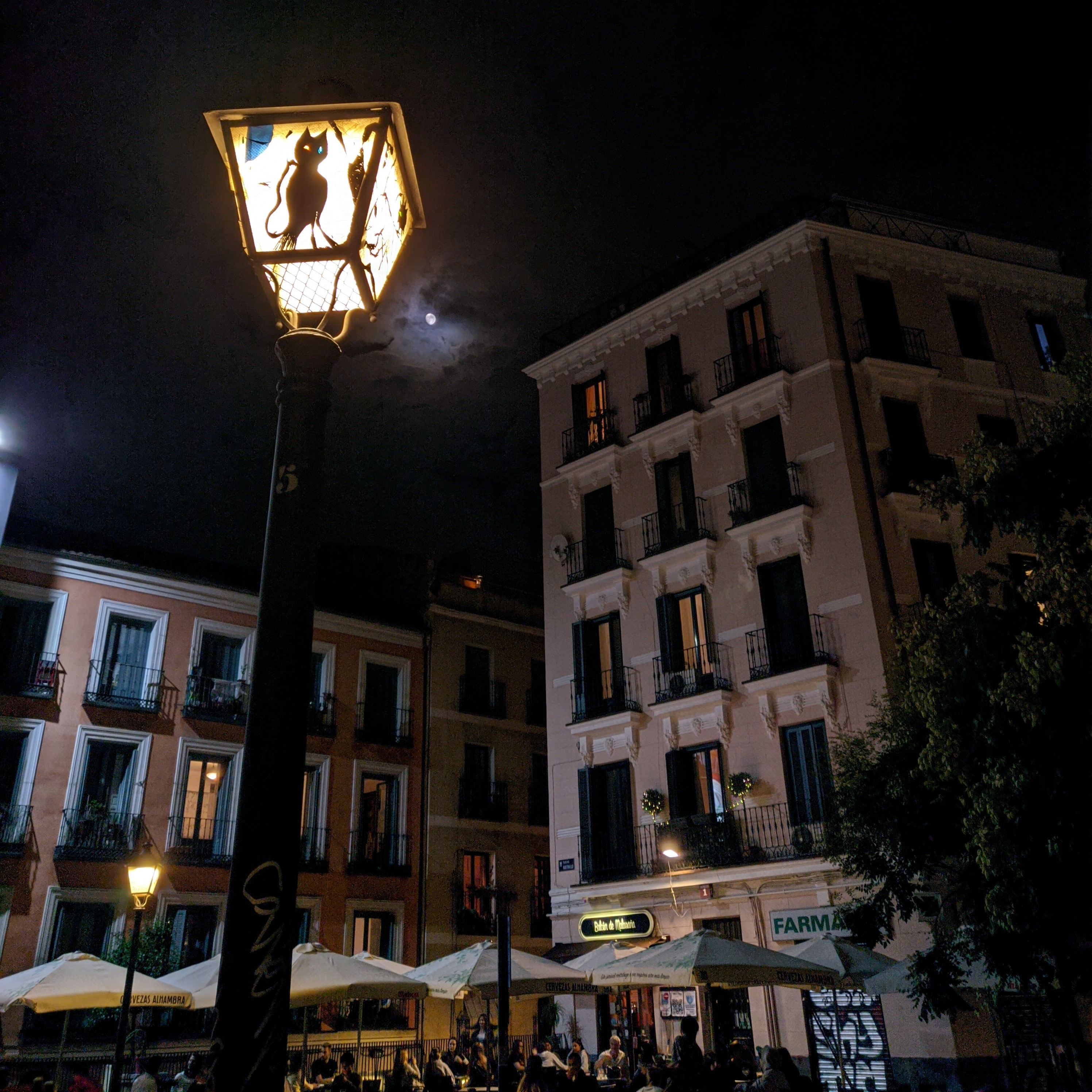
Culture is what makes a day's work a day's life.
Every morning we are born again...
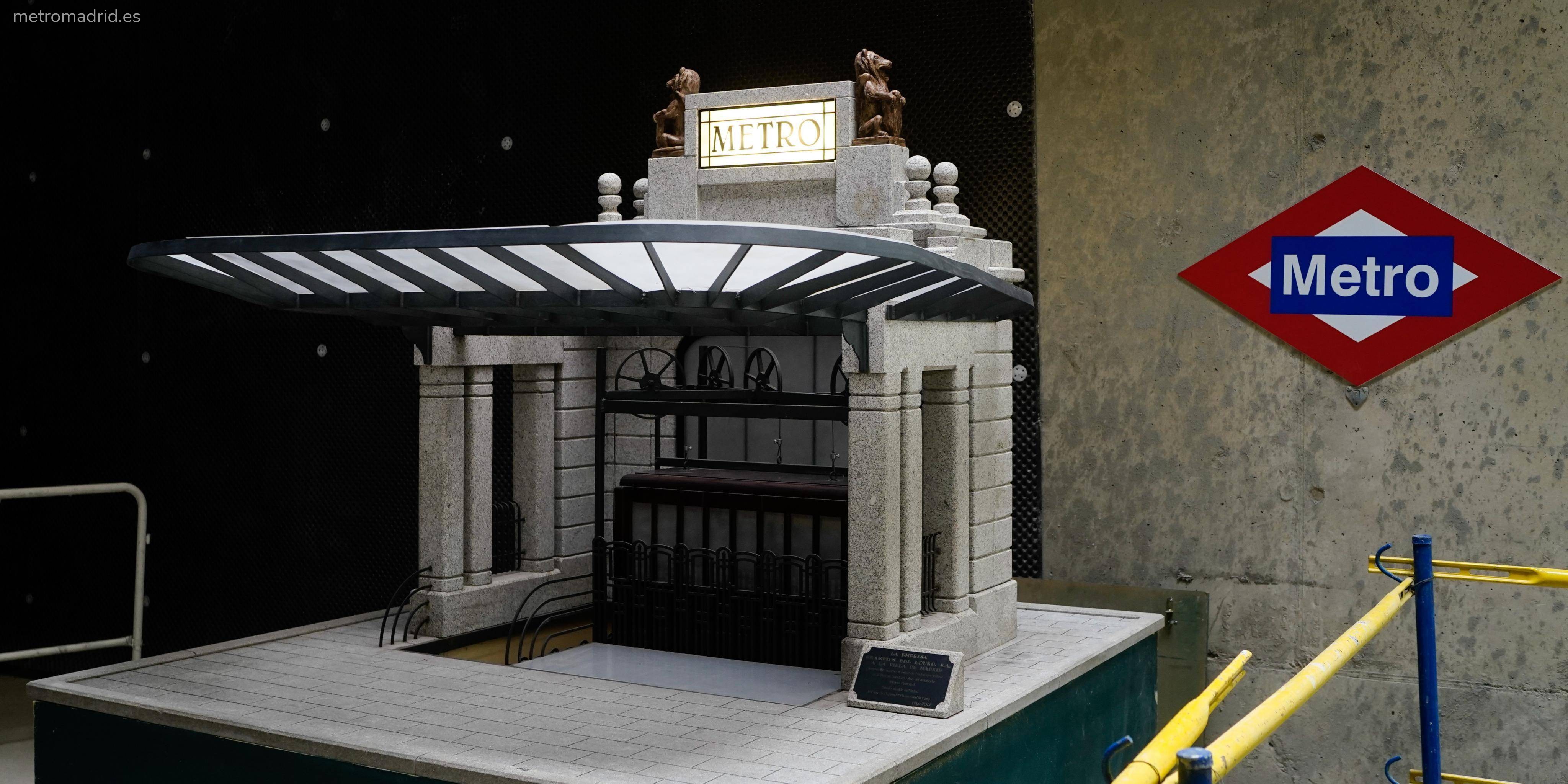
Gran via, this retro-futuristic metro station, is the new born of the Madrid metro.
New? Not really... This station, created in 1919 by the Compañía Metropolitana, was one of the first to be built in Europe. At the crossroads of line 1 and 5, this station was closed to the public for 3 years for renovation. The access to the level -3 to the metro lines and suburban trains is equipped with the latest generation of gantries like the dashboard of a space-time shuttle. On the upper level, it is an immediate leap in time to admire the archaeological remains and some of the city's forgotten treasures
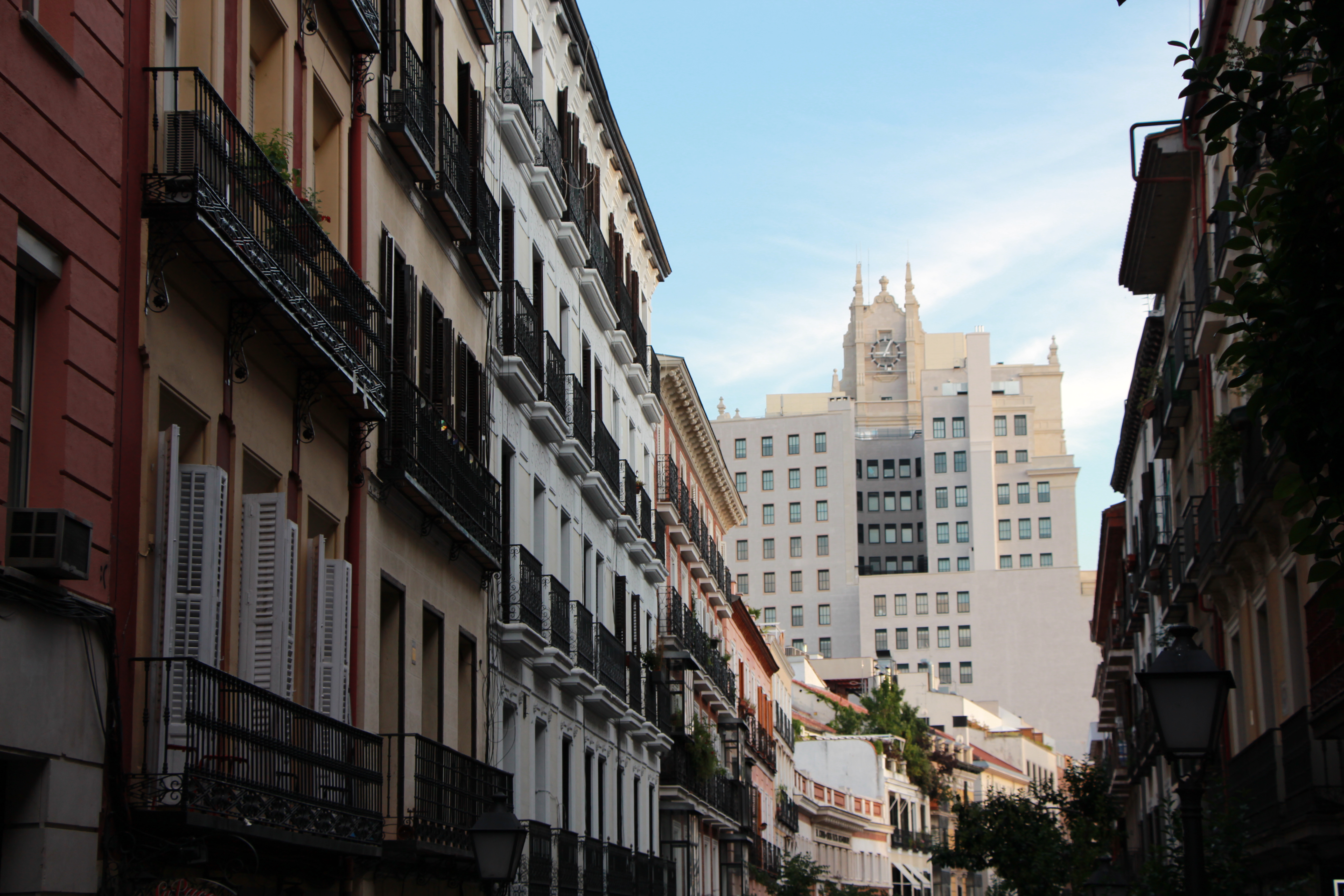
The Telefónica Madrid tower and its big blue clock overlooks Gran Via to set the pace of Madrid life
In a baroque and North American style, it is located in the southeast corner of the Malasaña district. As the former headquarters of the Foreign Press Office, it is also a symbol of openness to the outside world. Today, the building houses the Telefonica company, but also the Espacio Fundación Telefónica Madrid: a four-storey cultural space where you can discover the dialogue between art, communication and new technologies of the past, present and future
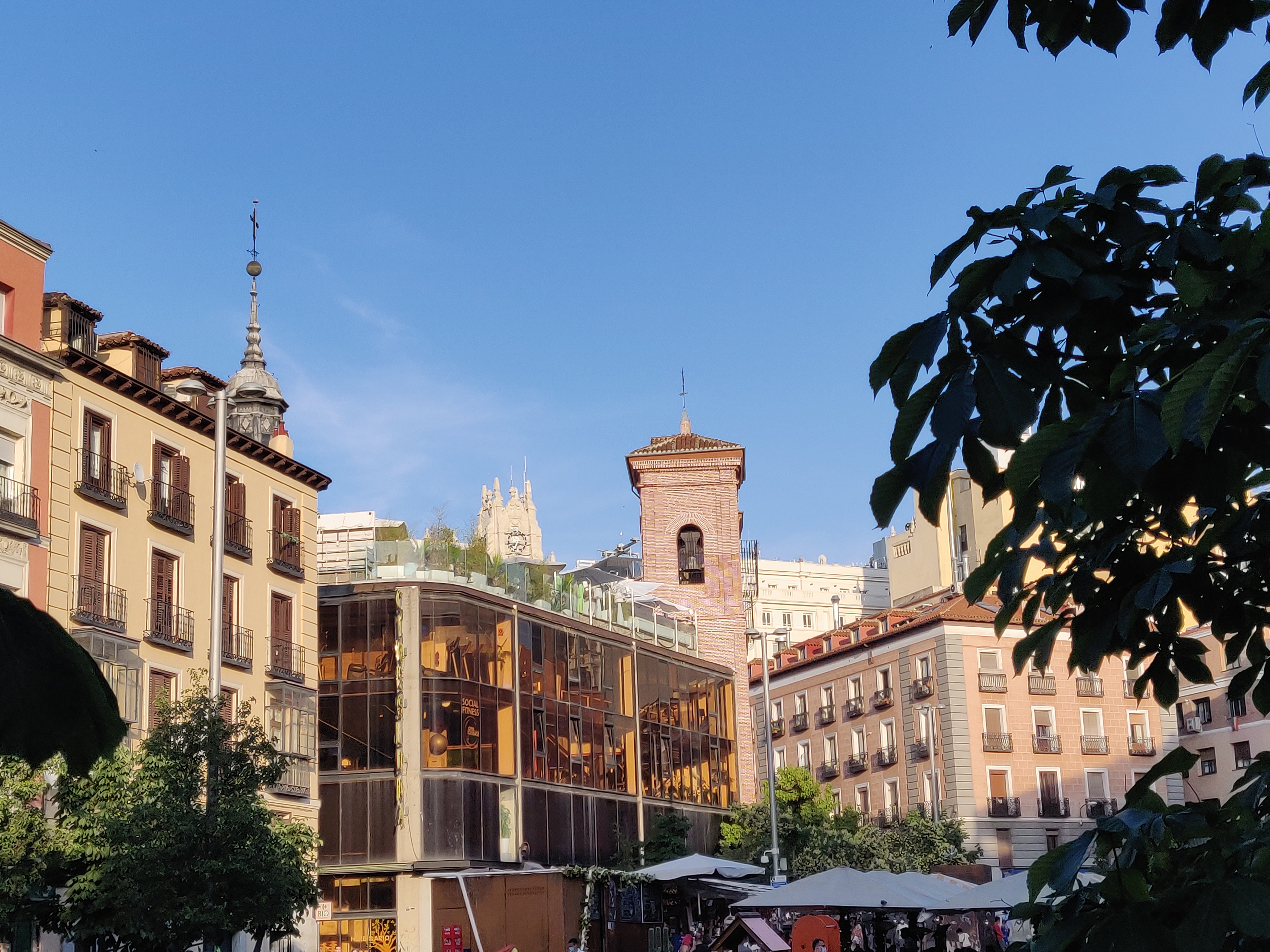
The modern and dynamic Plaza de la Luna opens the doors to the Malasaña district.
Located a few steps from the city centre, this pleasant green square opens onto the main corridor of the district: La Corredera Baja de San Pablo.
All around, numerous religious buildings blend with contemporary theatres. You can stop to admire the church of Saint Martin, the Teatro Lara, the church of Saint Anthony of the Germans, the Theater for the People, or the church of the Buena Dicha. It is not too late to go back up to the square where you will find many places for a delicious brunch accompanied by the traditional Café con leche
Don't hesitate to get lost in the streets, that's what they're for.
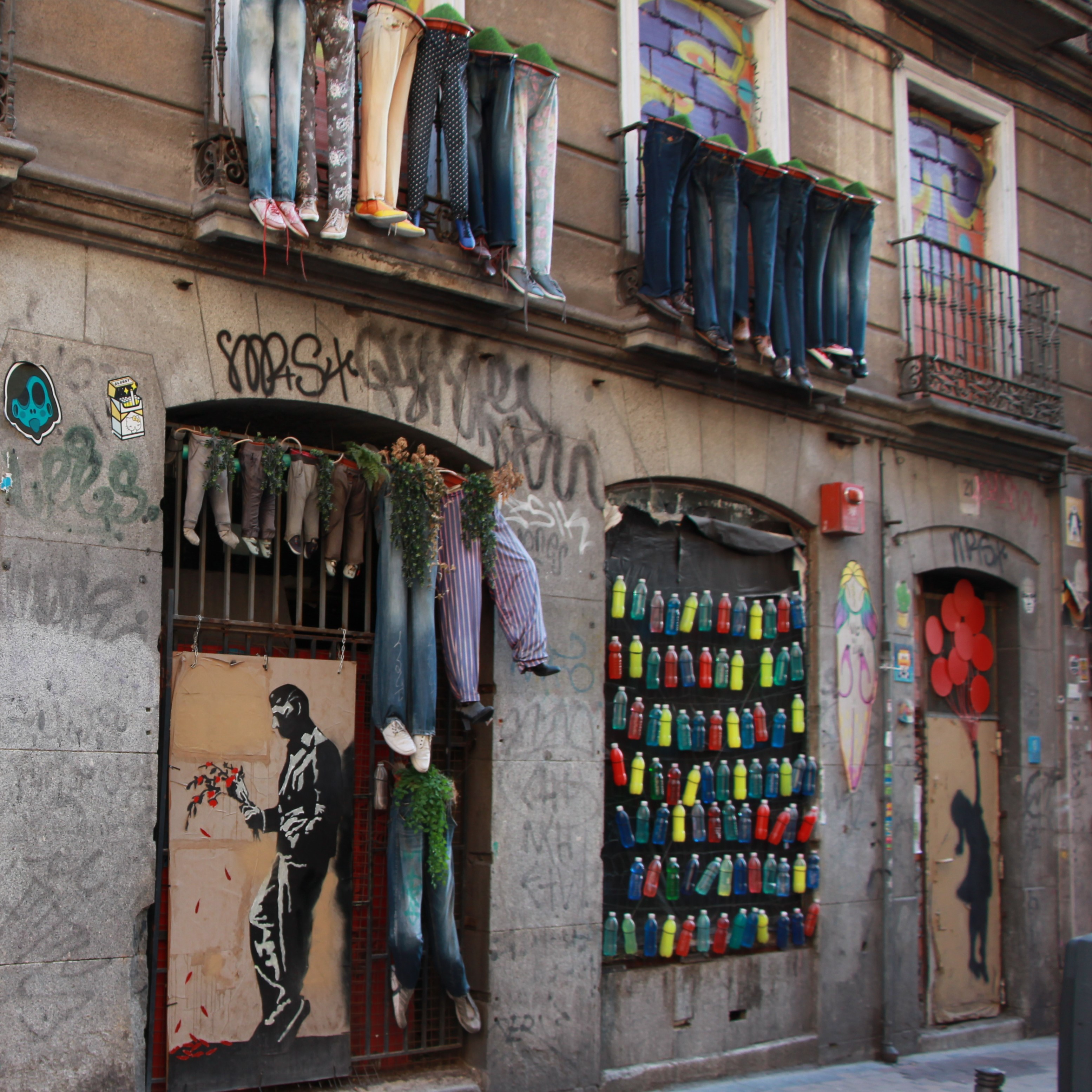
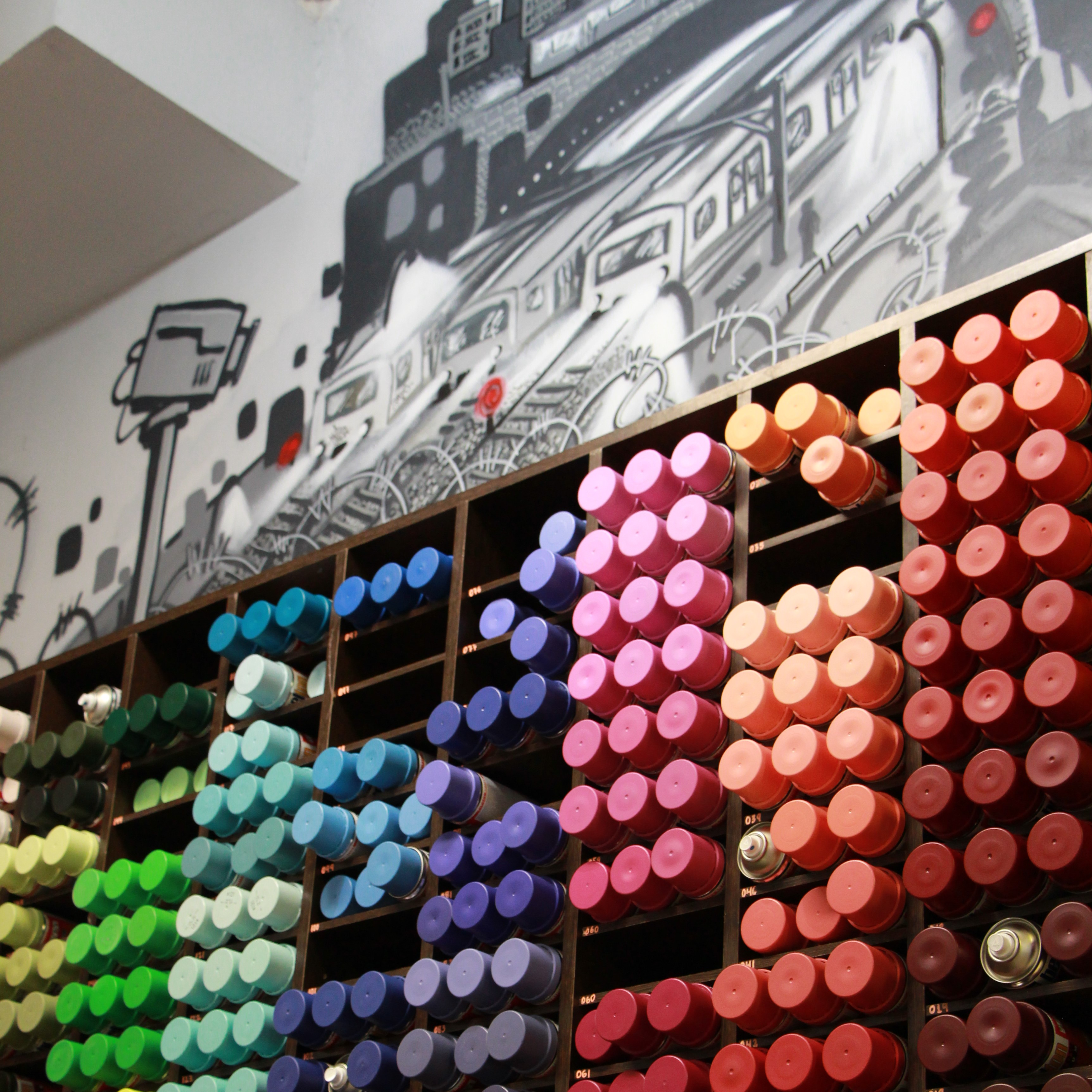
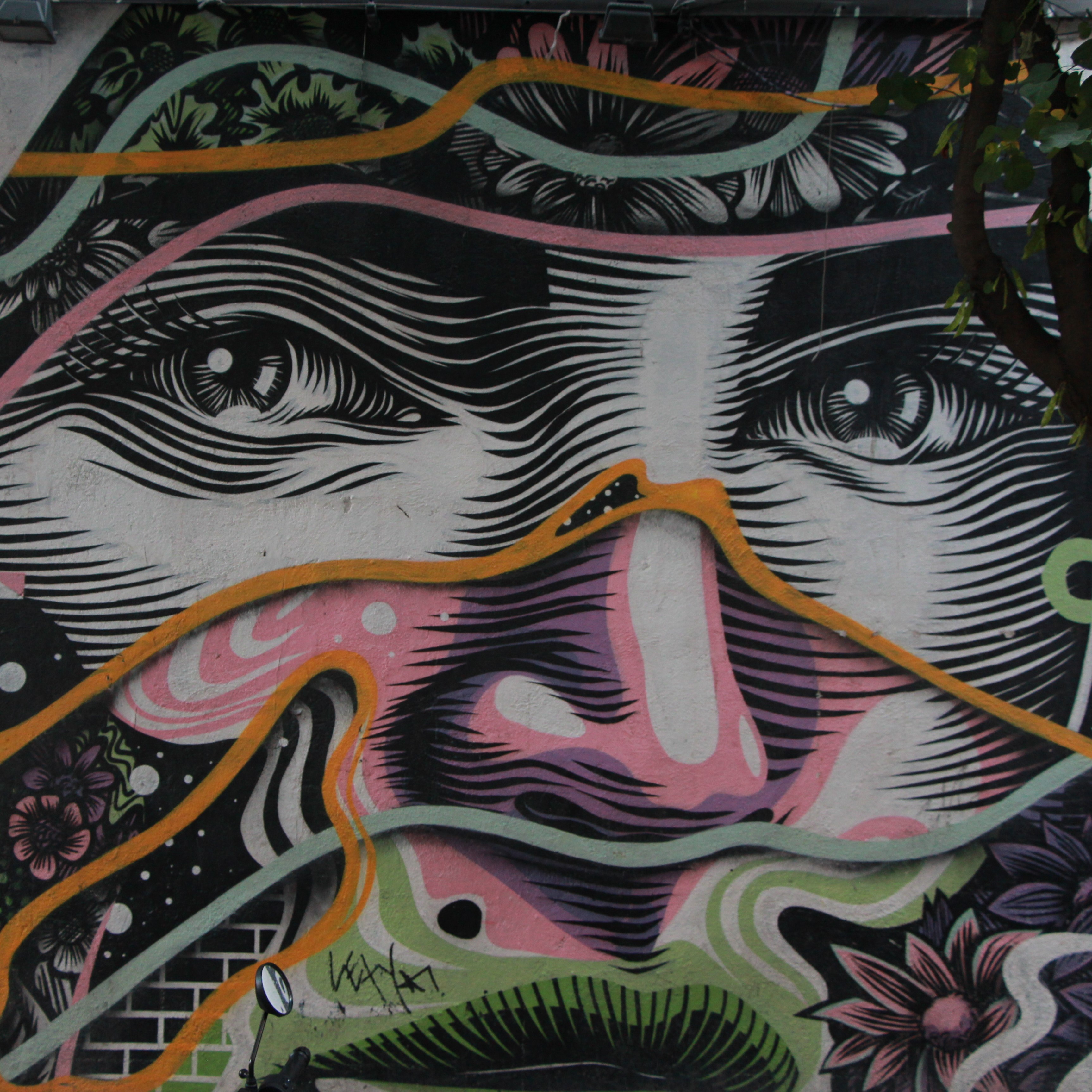
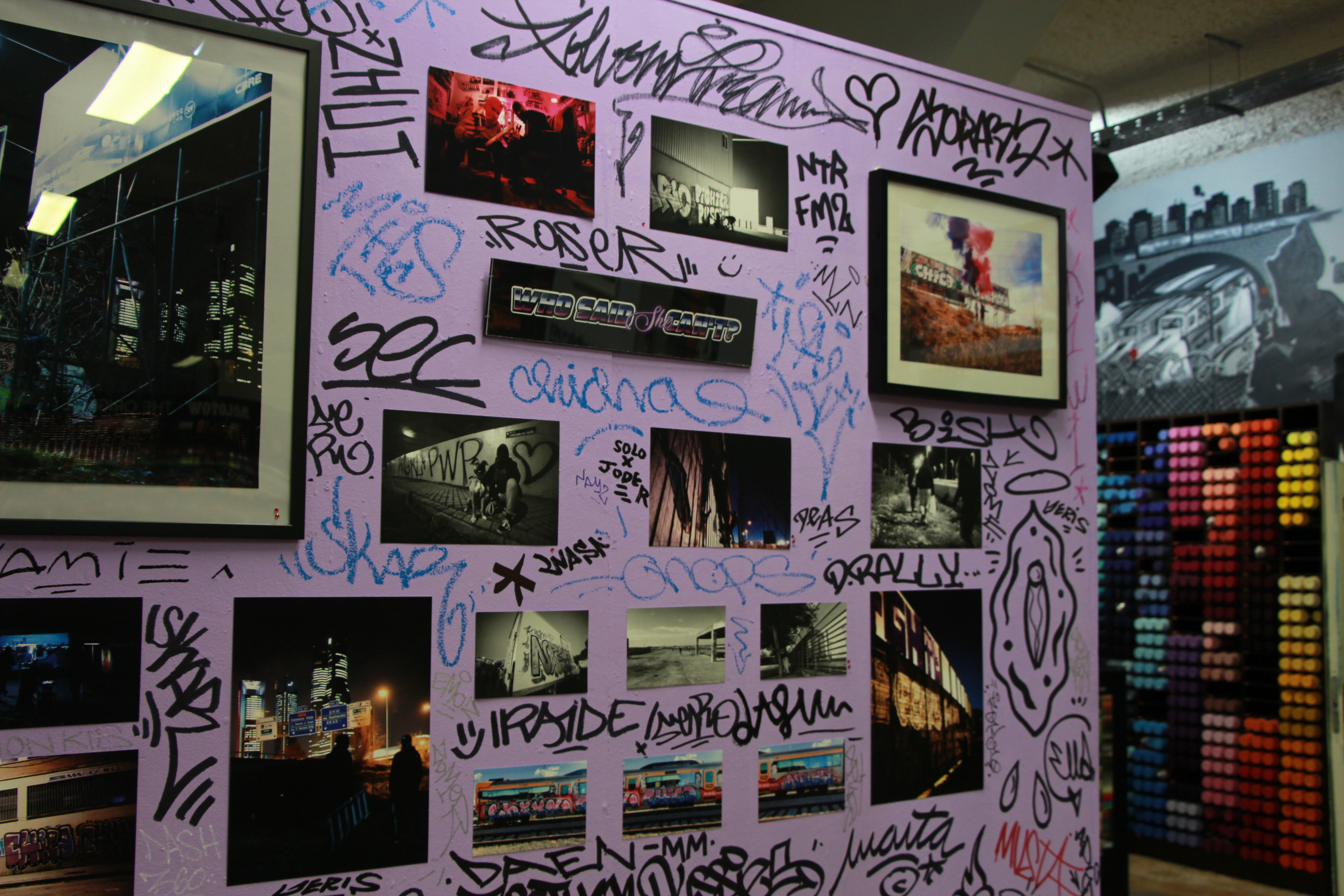
You'll always be pleasantly surprised to find a bit of street art, and maybe even an urban artist's hangout. To the west on Calle de la Luna is the Molotow - Writers Madrid shop, specialising in spray paint and graffiti markers
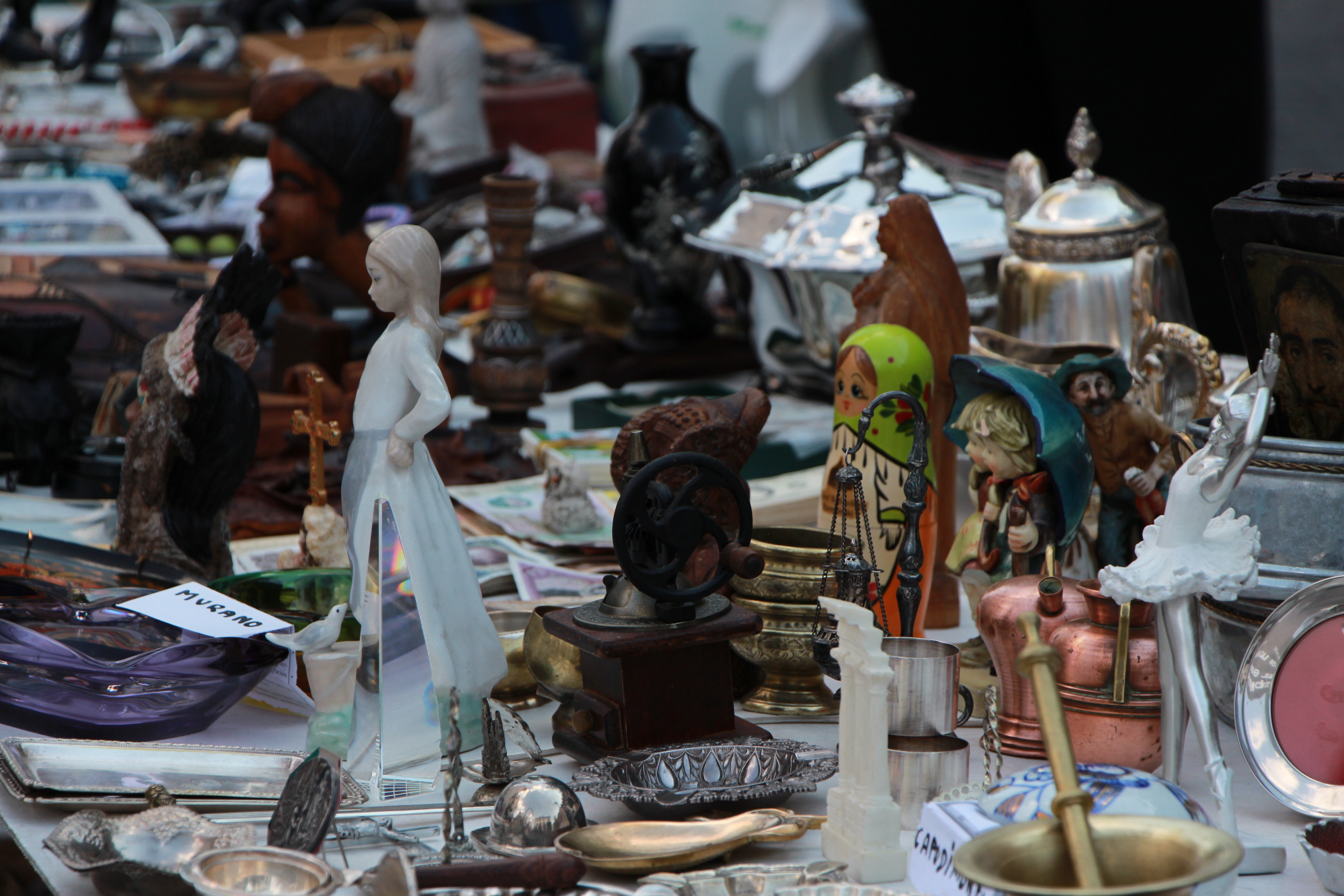
Between the lower (baja) and upper (alta) part of Corredera de San Pablo, the Plaza de San Ildefonso and its Bric and Broc market.
Located in the centre of the square, amidst the cafes and the Parroquia de San Ildefonso, a small market is regularly set up here. Perhaps you will find an original souvenir among the old trinkets, Russian dolls, DVDs, vases and vintage toys.
Parallel to Corredera de San Pablo, the main shopping street, Calle Fuencarral.
In this street, which starts on Gran Via, you will find your favourite clothing brands among the large, trendy and modern stores, an ideal place to take advantage of the sales.
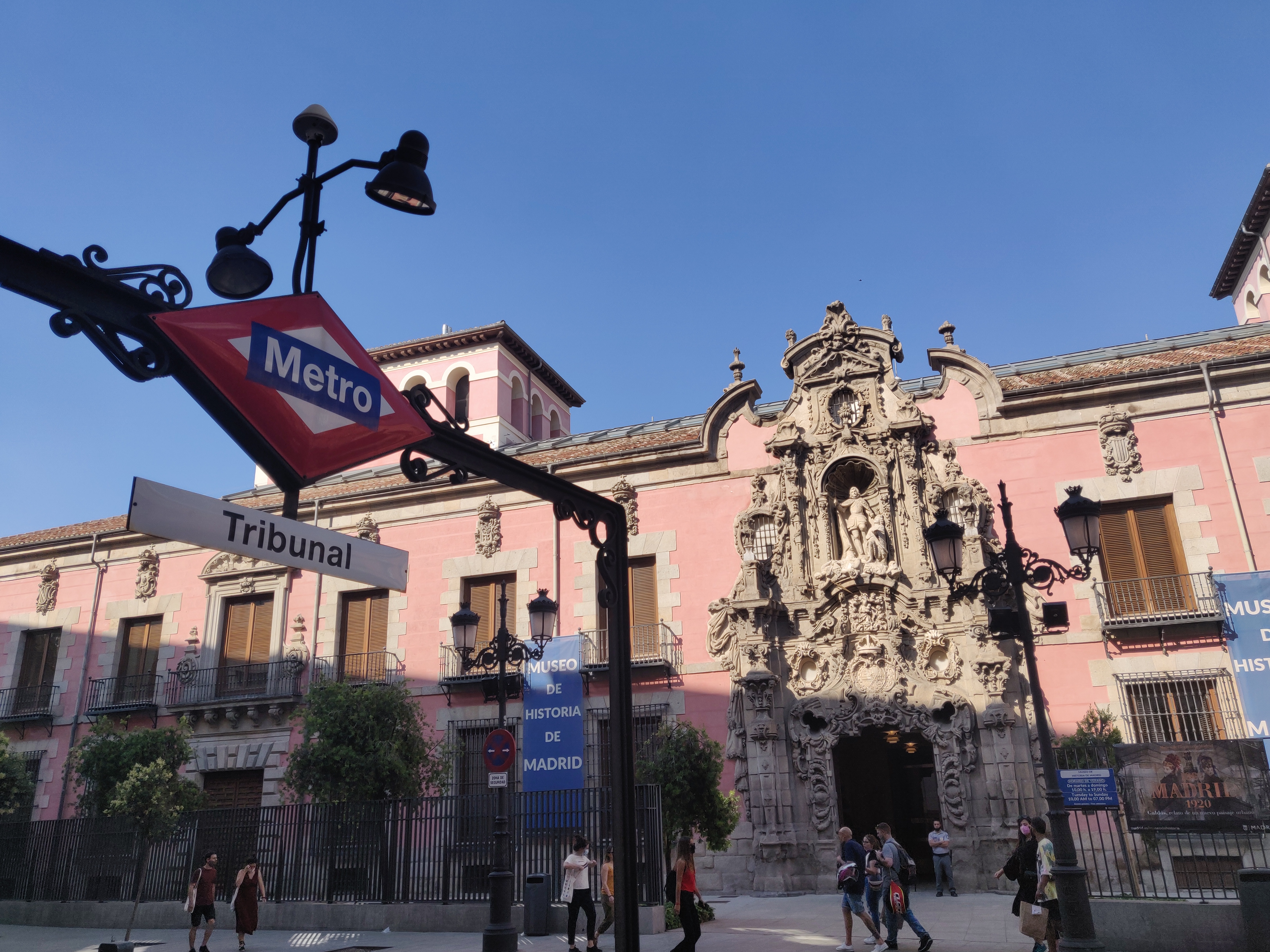
Further up, the Madrid History Museum faces the Tribunal metro station. In this museum, the journey continues well beyond the history of Malasaña, with a collection of maps, models, sculpture, paintings and other wonders of Spanish history
...What we do today is what matters most.
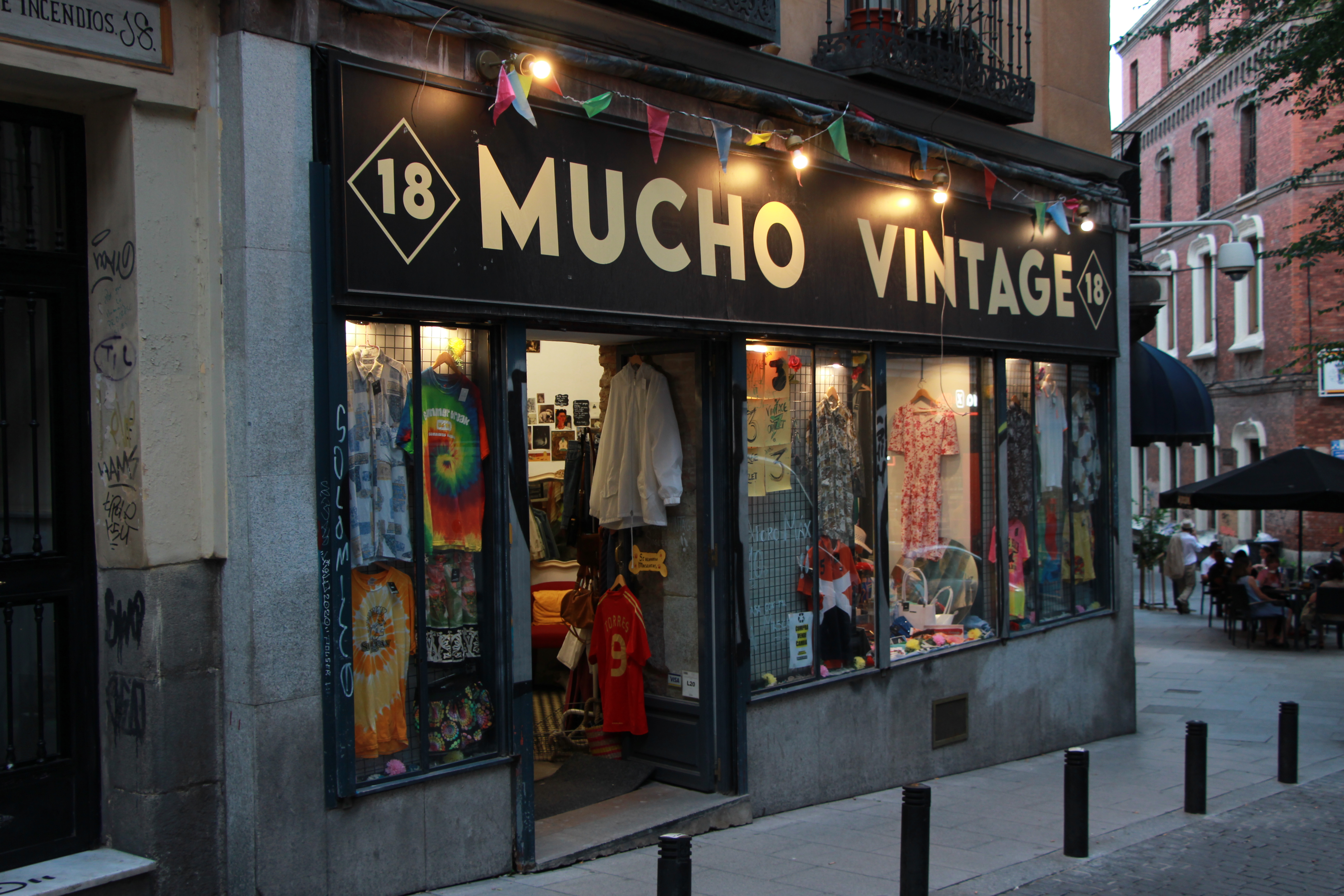
Calle de Velarde, a small street known for its vintage thrift shops, in the continuity of Corredera de San Pablo.
If you have ever walked up Corredera de San Pablo, you have probably not missed the typical thrift shops of the neighbourhood. In Malasaña, you will find them on almost every street corner, right up to the Plaza del Dos de Mayo, some more original than others.
Thrift stores by the kilo, old leather jackets, colourful 80s jackets, checked shirts or punk style, there is something for everyone.
Mucho Vintage
Corredera Baja de San Pablo, 18
The Classic Thrift Shop
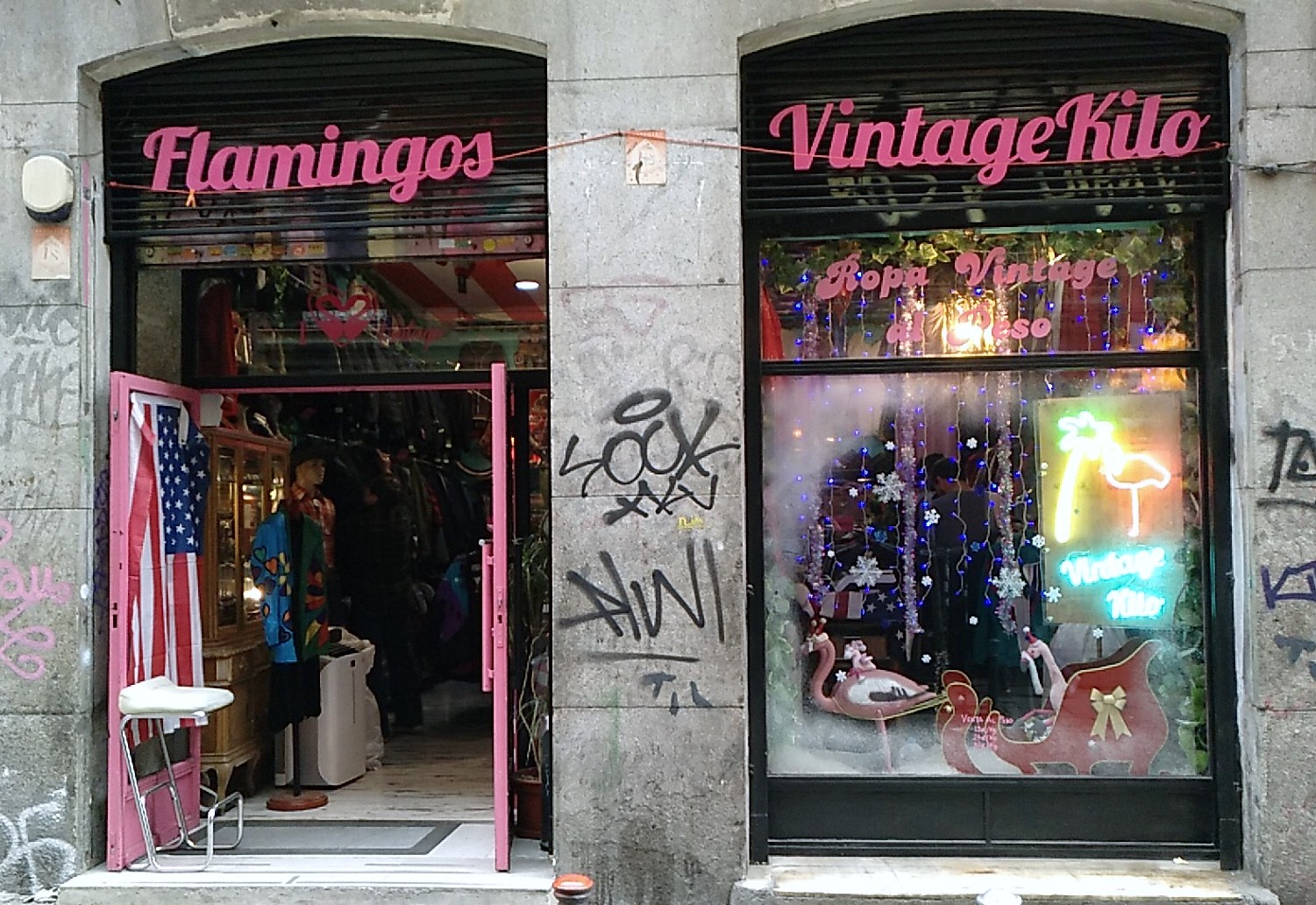
Flamingos Vintage Kilo
Calle de San Joaquín, 16
The Thrift Shop by the Kilo
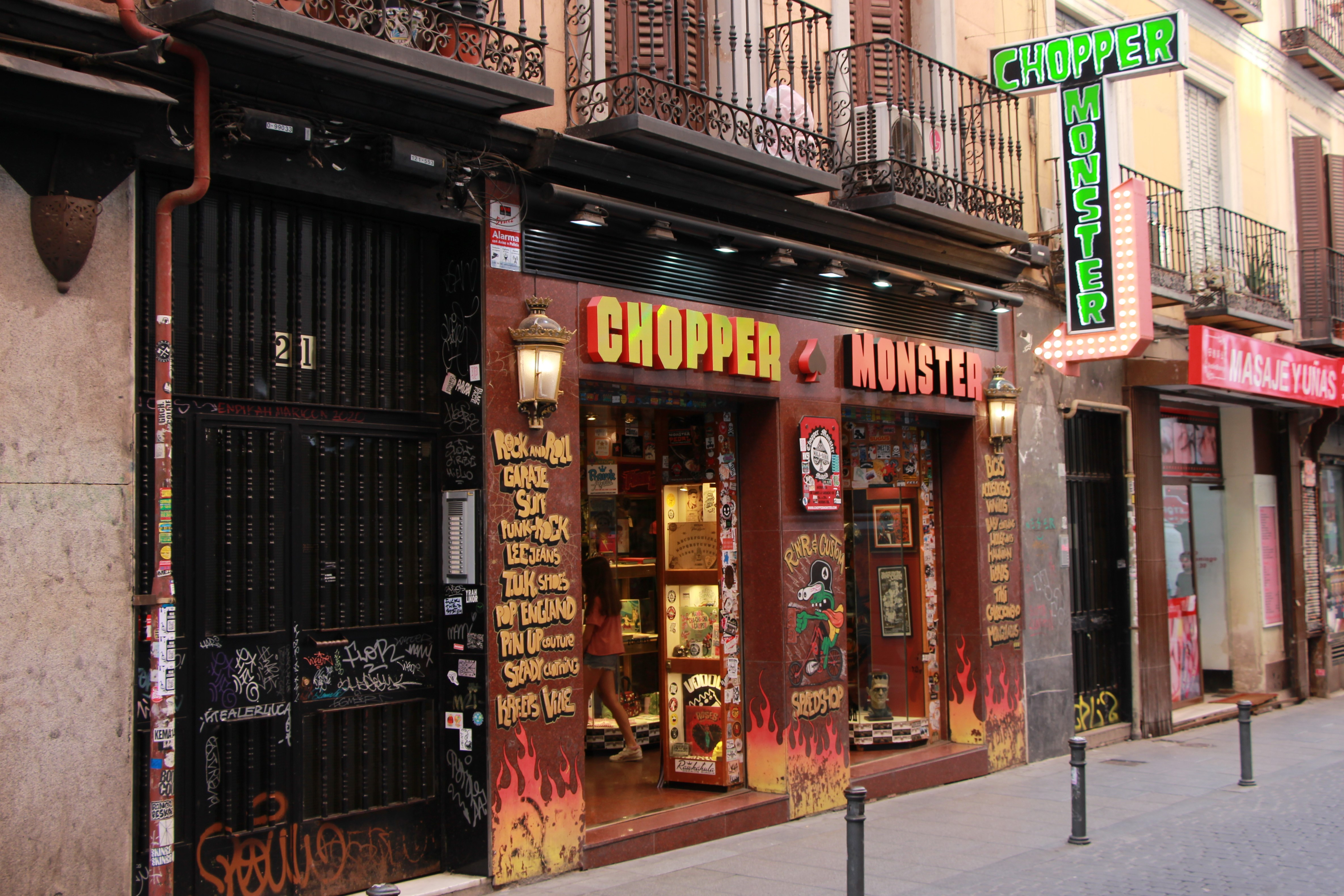
Chopper Monster
Corredera Alta de San Pablo, 21
La friperie Hard Rock
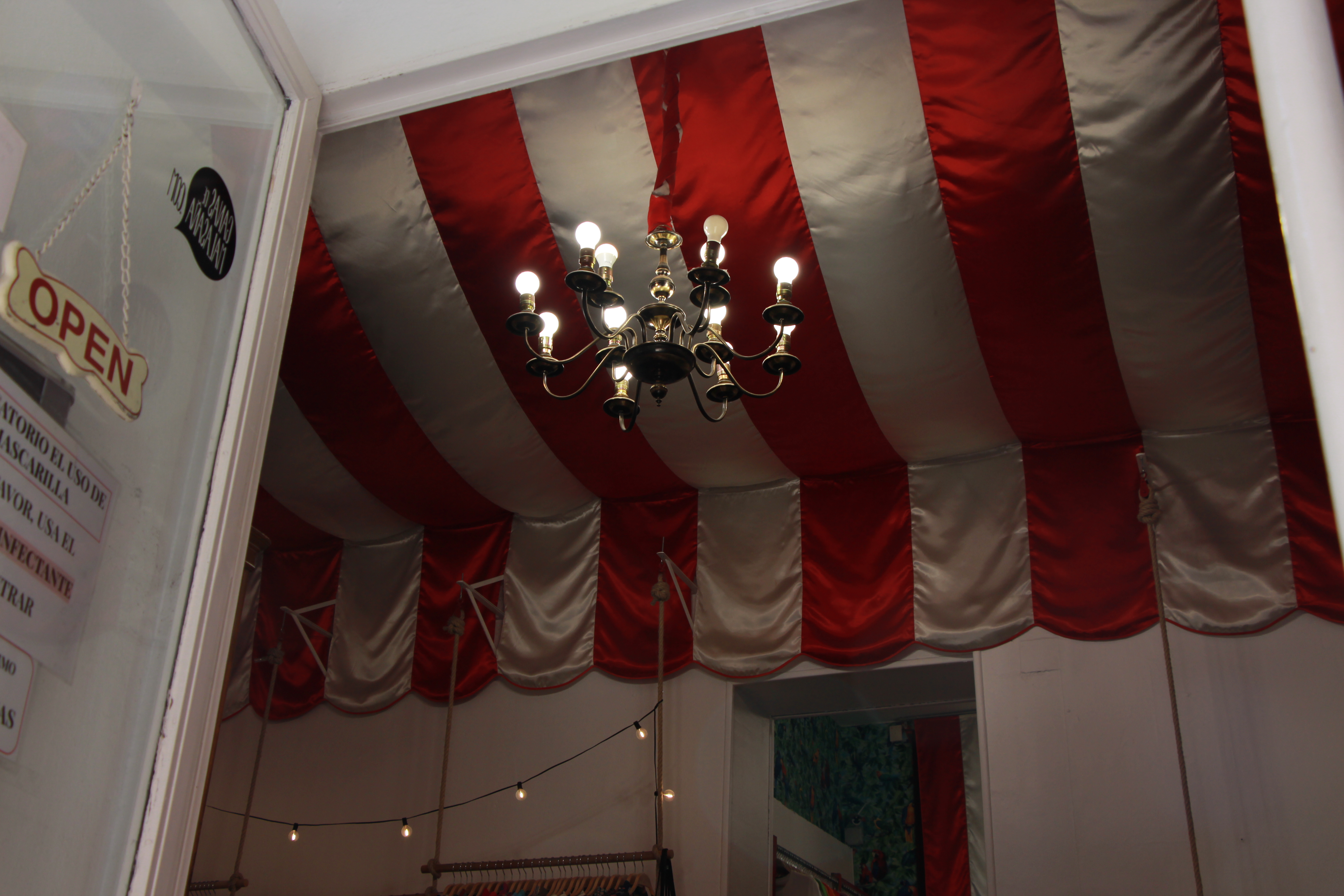
La Mona Checa
Calle de Velarde, 2
The circus thrift shop under the big top
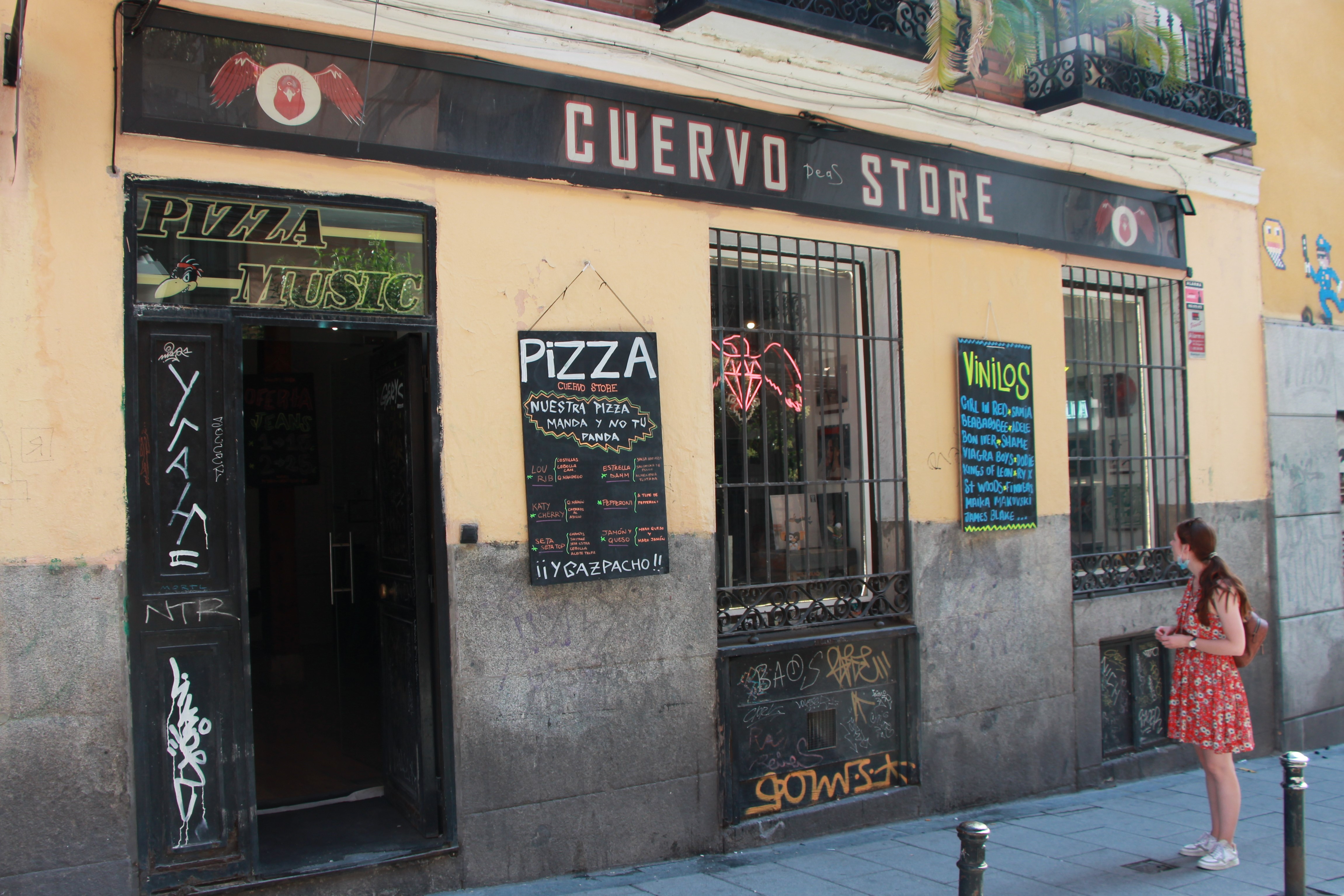
Cuervo Store
Calle de Velarde, 13
The thrift shop that also sells pizza and LPs
You are probably confused by this journey in all directions, it is time to find our bearings in the Plaza del Dos de Mayo.
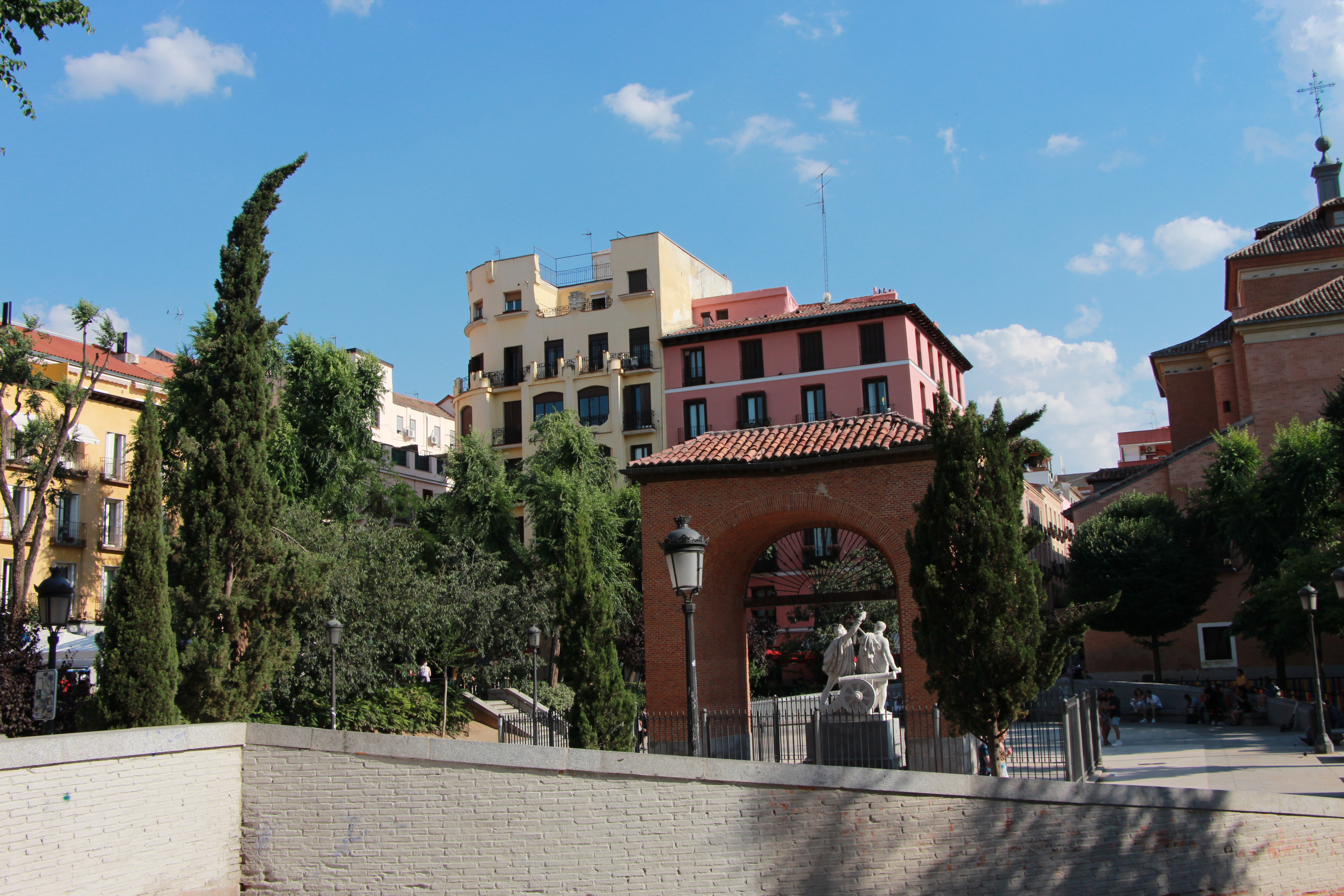
You probably didn't realise it, but we have already crossed the northern border of the Malasaña district. This is where the legend of Jean Malasagne, his daughter Manuela Malasaña and the artillery officers Luis Daoiz and Pedro Velarde still stand in the middle of the square, facing Napoleon Bonaparte's French troops in 1808.
There are always people here, from morning to evening, and from evening to morning. Children playing ball, young people walking their dogs or practising skateboarding, adults sharing tapas on the terrace with a beer or sangria in hand, and old people telling stories while drinking coffee. If you are looking for a place to eat and drink, go down the streets of Malasaña towards Plaza Juan Pujol and let yourself be tempted, you won't be disappointed
The vast night lights up all the stars.
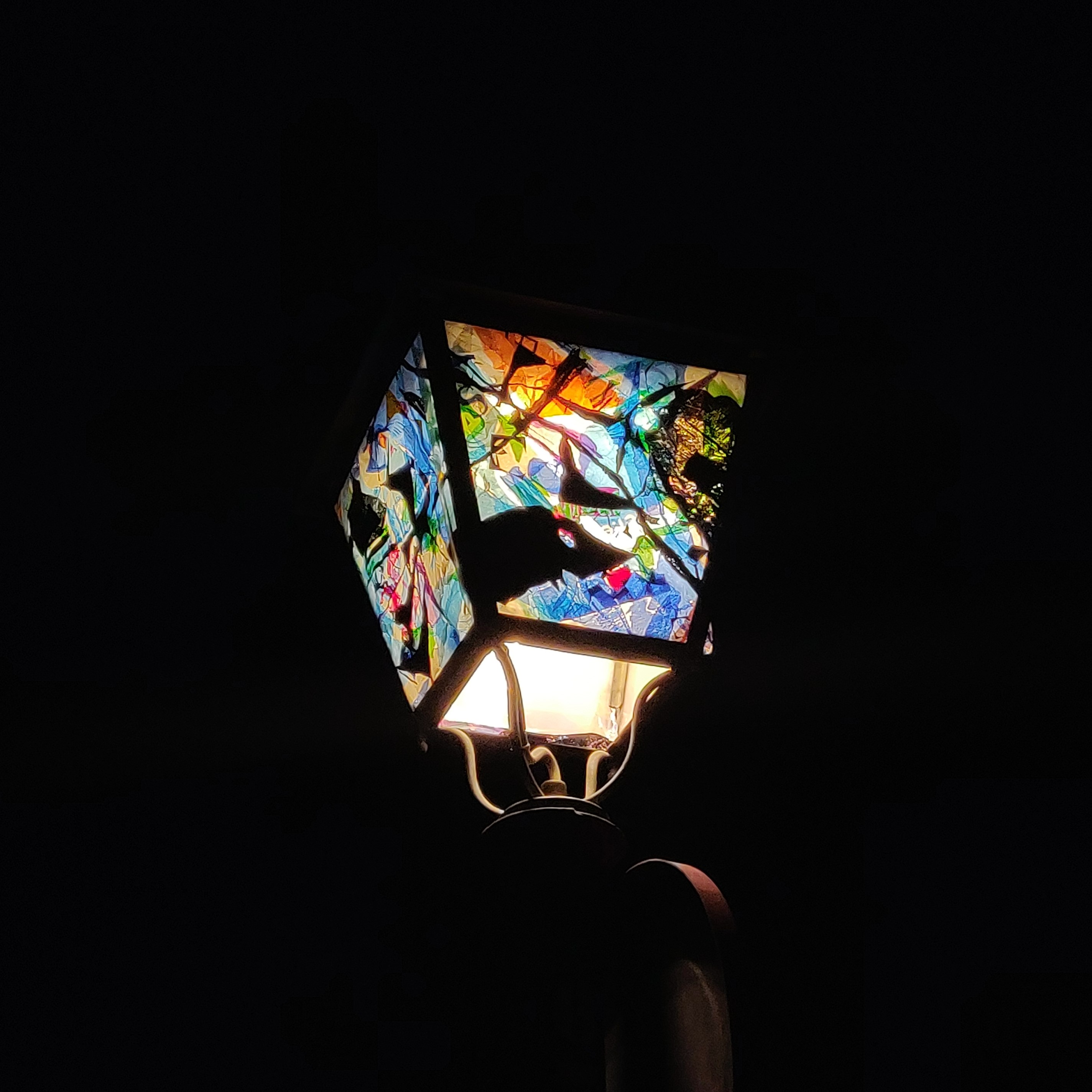
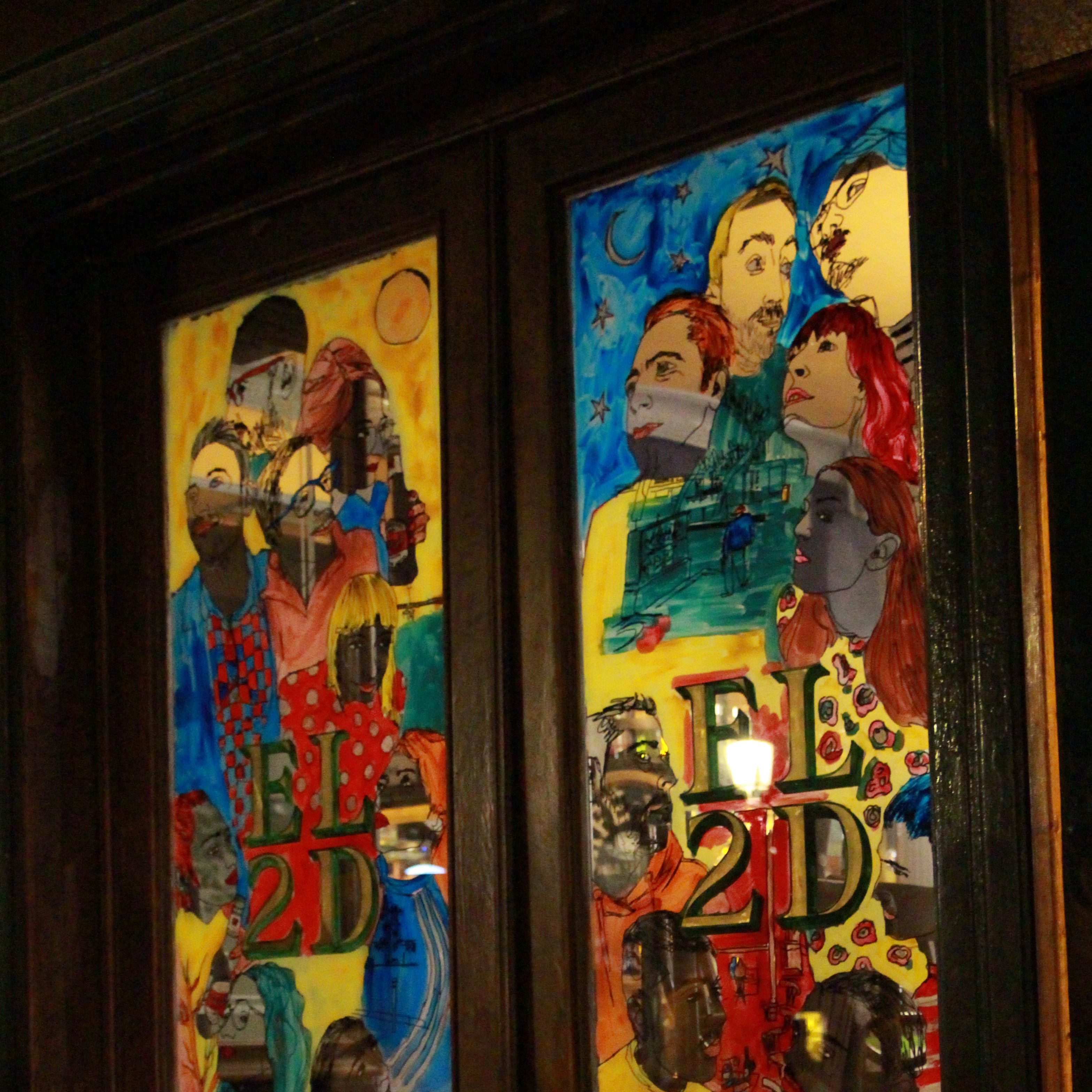
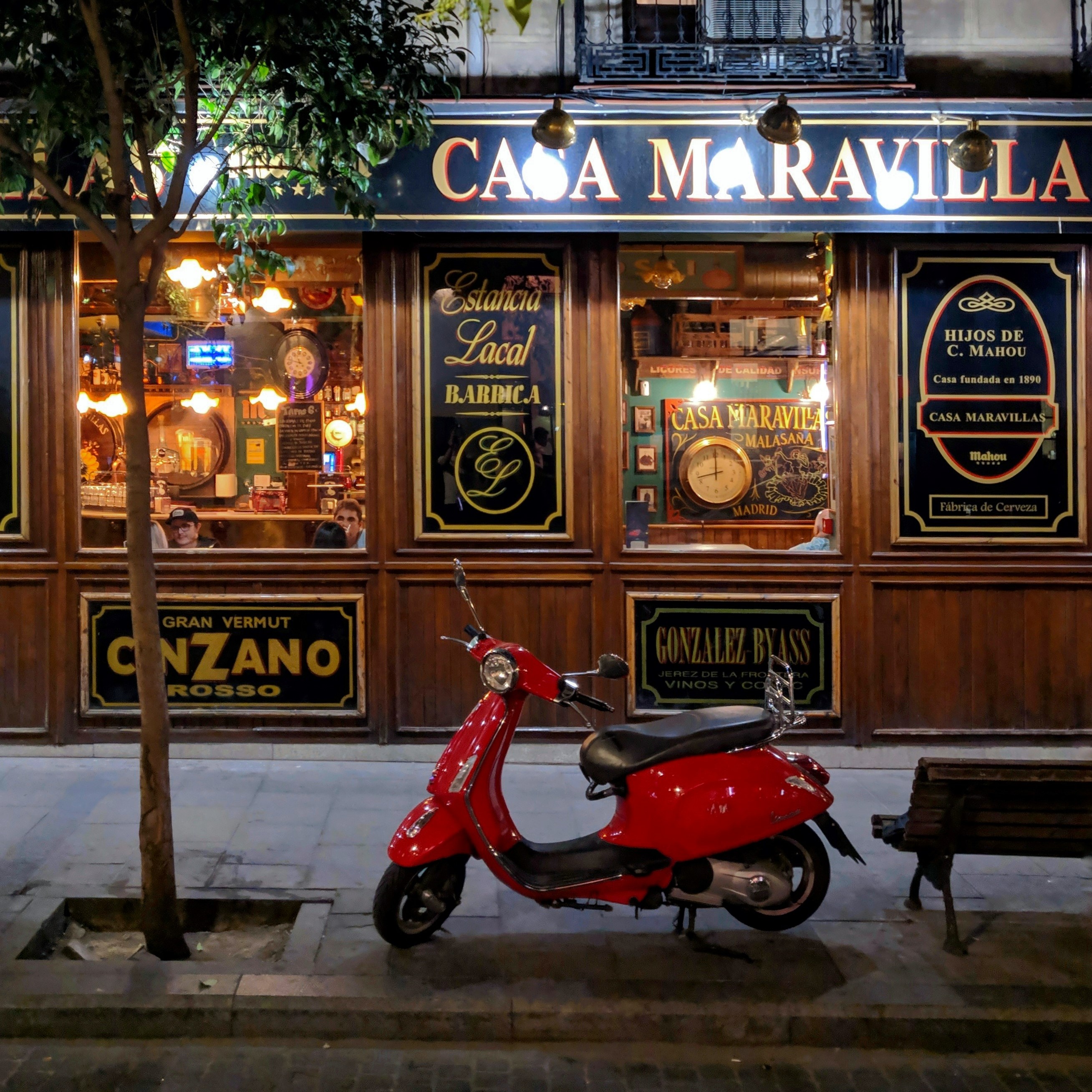
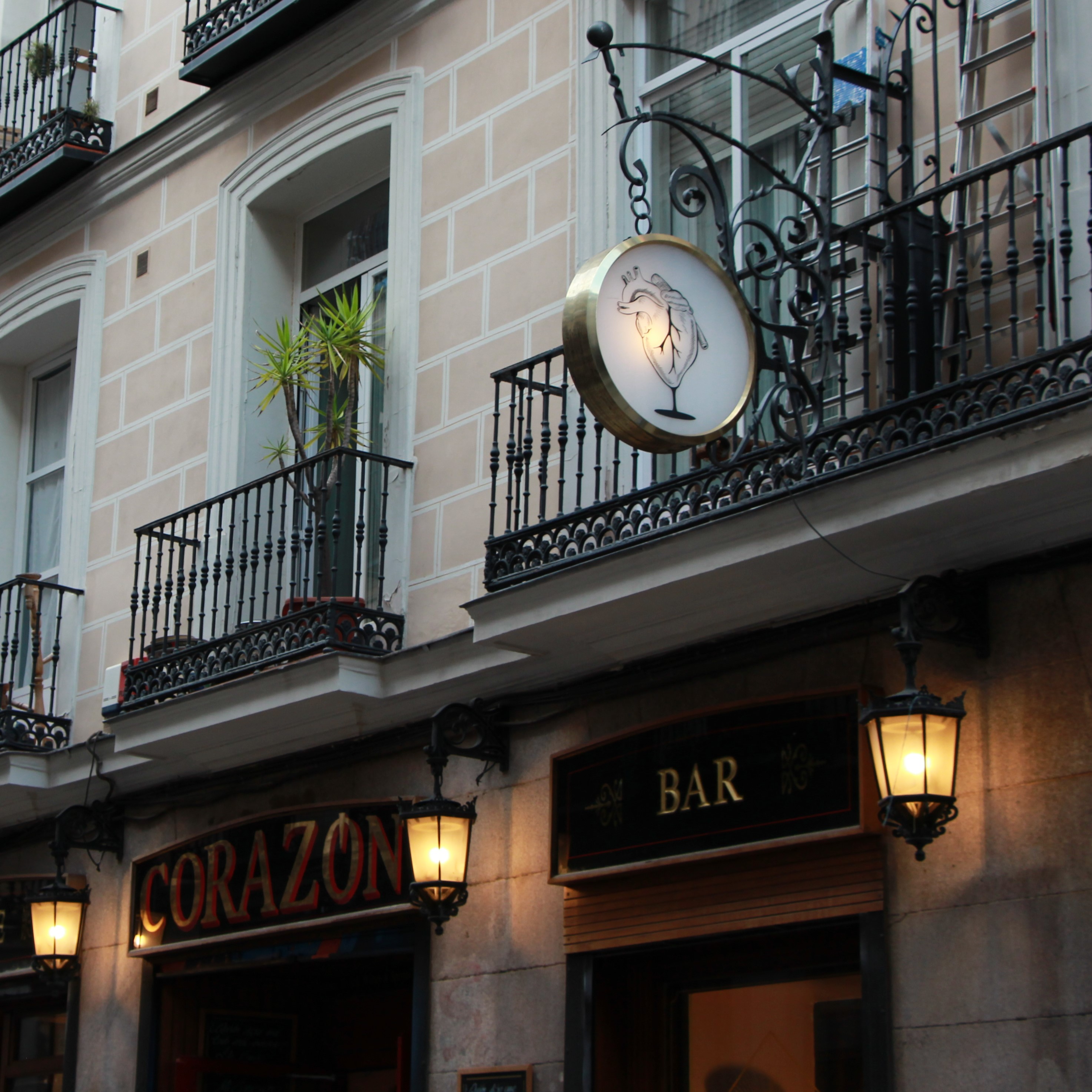
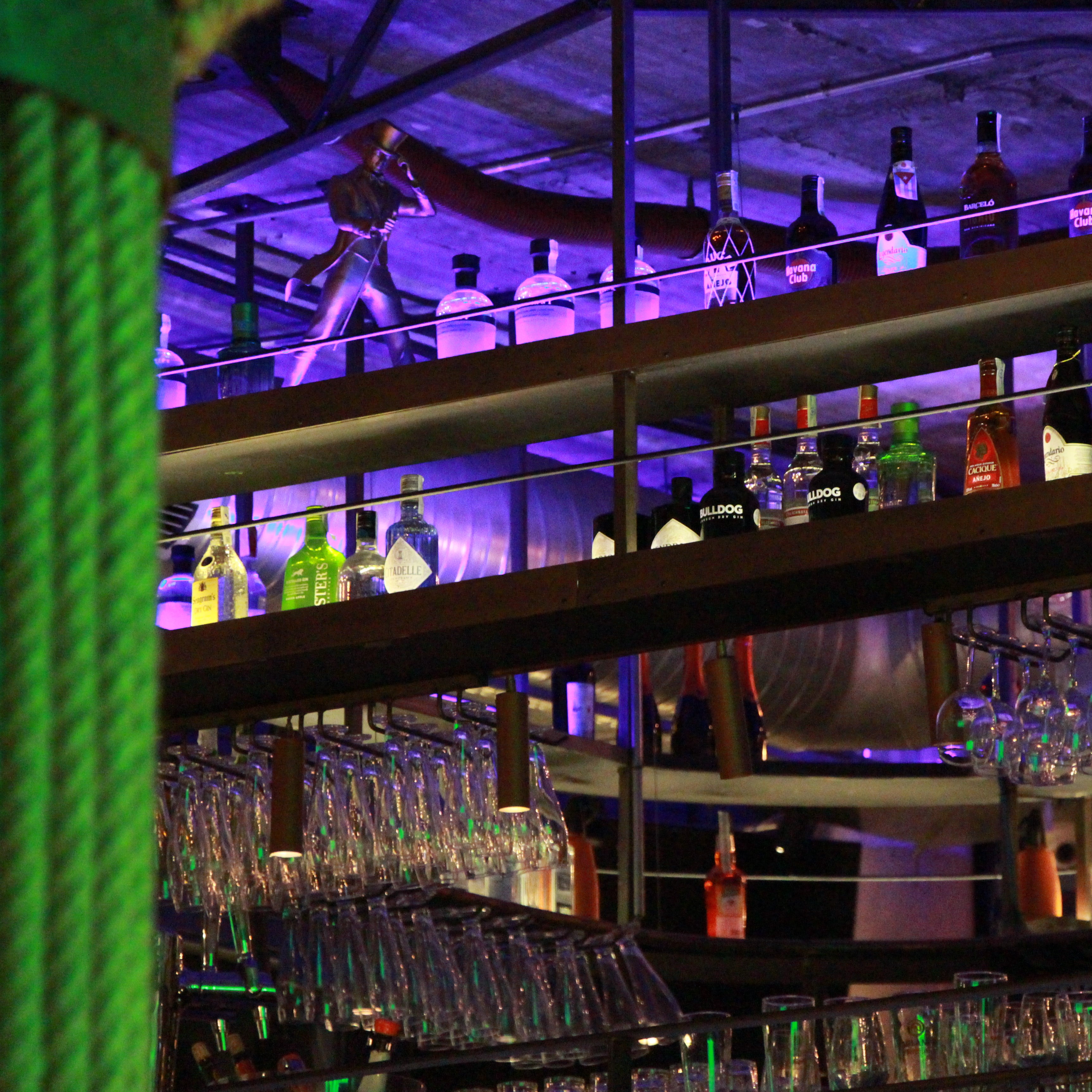
As the sun sets over the city, the neighbourhood changes colour. The architecture takes on new forms, the pastel colours darken and the lights come on. Urban art is present in all its forms, on every street corner. The tiled façade of an old pharmacy and laboratory rubs shoulders with contemporary graffiti. Stop signs seem to light up and all sorts of amusing pictograms can be seen. The theme bars and dance clubs have opened their doors and light up the street with neon lights of all colours. The theme bars and dance clubs have opened their doors and light up the street with neon lights of all colours. You can hear the laughter, the shouts and the music that give a second life to the neighbourhood after dark