In these streets, more than 2 centuries of history live together and exchange to give life to a bohemian and rebellious neighbourhood where tradition and modernity are mixed. Sometimes called the Hipster district of Madrid, Malasaña does not officially exist as an administrative area of Madrid. It is actually part of the Universidad district, defined in 1845, although nobody knows it by that name. But then, why does Malasaña remain engraved in the streets and in the memory of the Madrilenians?
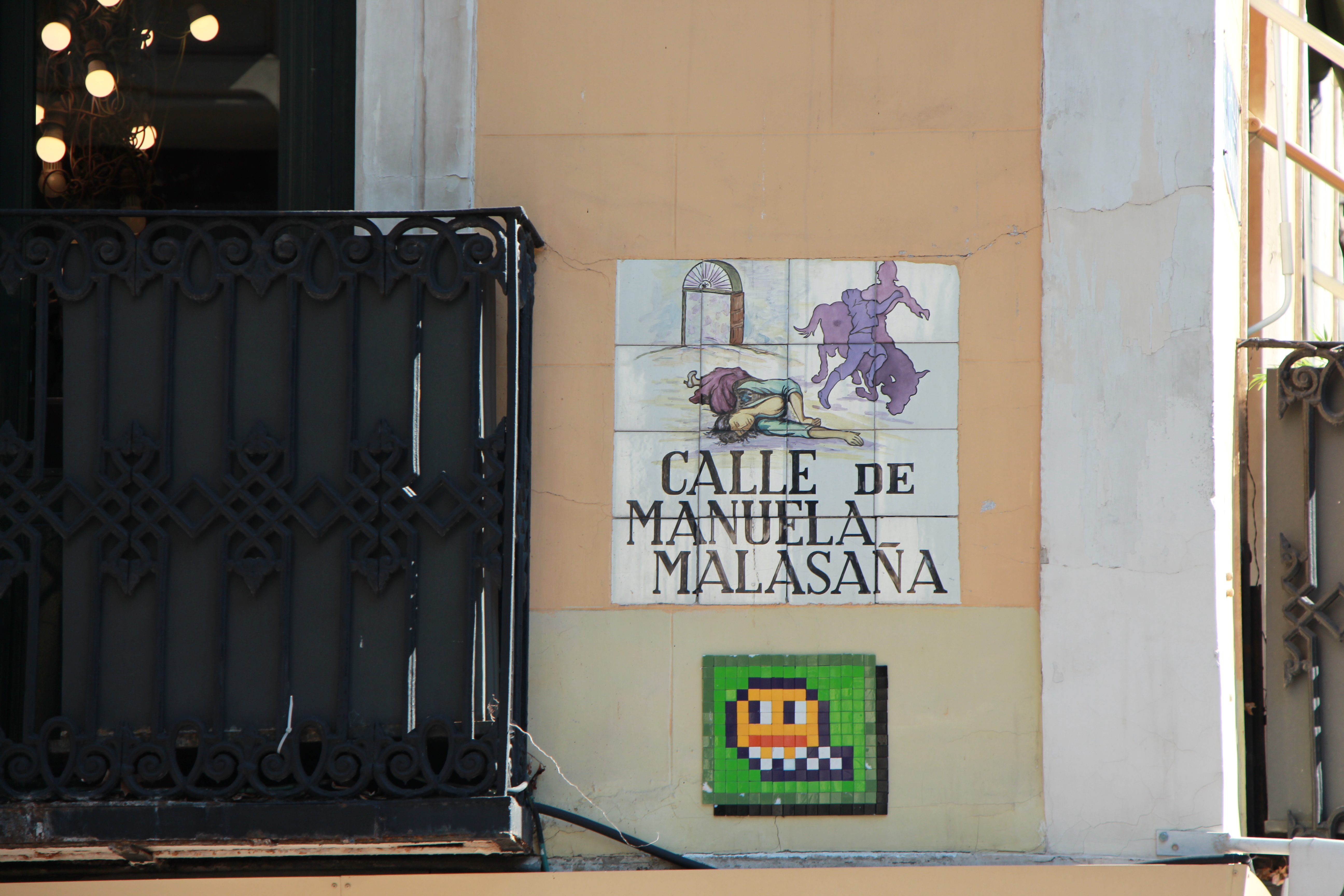
The sewn-up story of Manuela Malasaña
The Barrio Maravillas
The journey begins and here we are more than 200 years back in time, wearing a baggy jumper, worn jeans and our best trainers for walking. But here, it is better not to be noticed, we are in the middle of an insurrection against the French troops of Napoleon Bonaparte ! To go unnoticed, we suggest that we go to a young seamstress, Manuela Malasaña, who might be able to make us some clothes for our trip.
This name, now familiar to Madrilenians, is actually that of her father, a French baker called Jean Malasagne. His family name was Spanishised by his neighbours to "Malasaña", and at the time the neighbourhood was called "Maravillas", in reference to the convent of the Carmelites, women of the Carmelite order, a contemplative Catholic religious order. However, this name has been superimposed by the passing of time, and in the 21st century only a few symbols remain, such as the luminous Maravillas theatre. Instead, in 1961, the district was given a more emblematic name, in honour of the Malasaña family and its legend
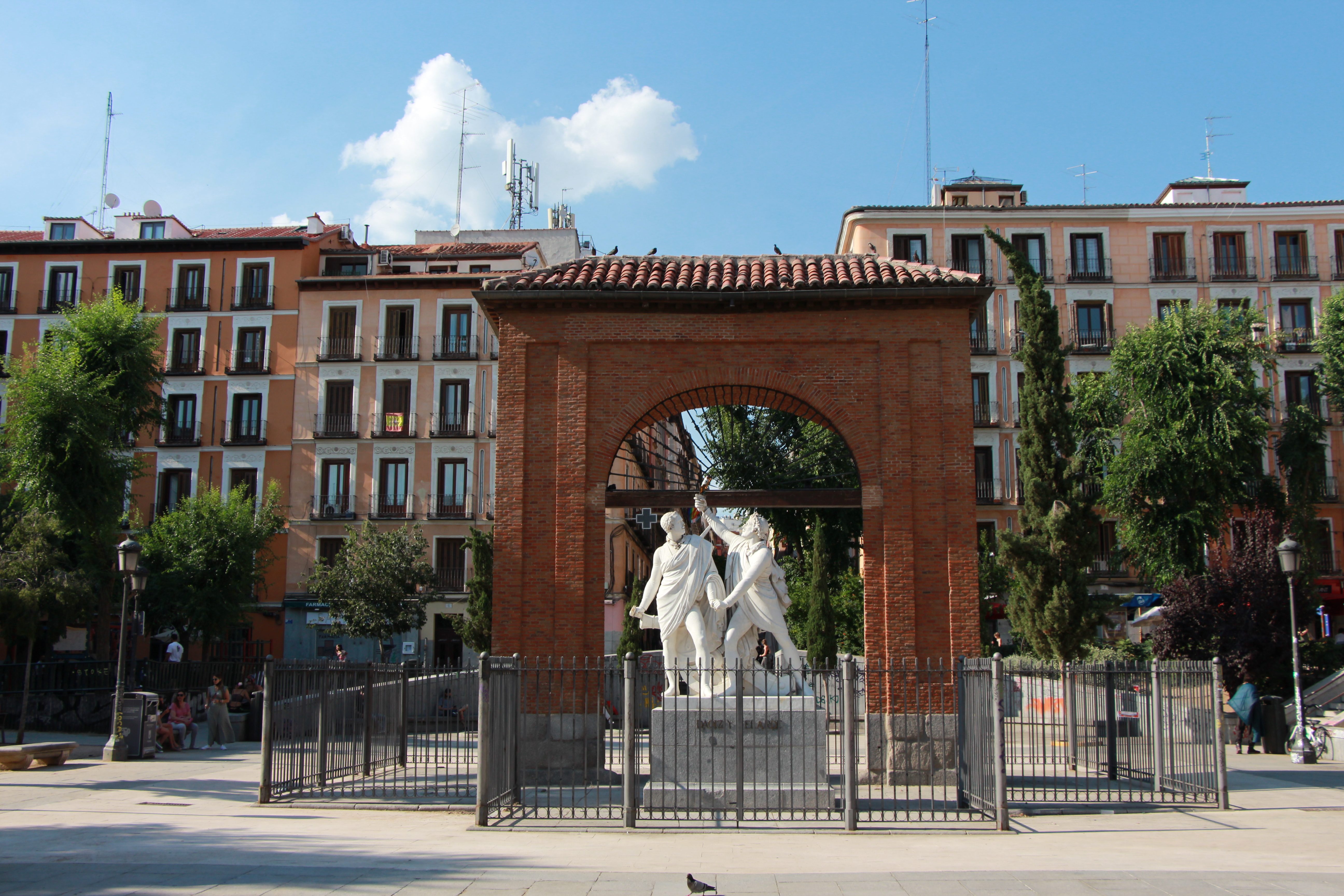
L'insurrection of 2 May 1808 against Napoleon
While the family's home was located only a few meters from the Monteleón barracks, which is the present-day Plaza del Dos de Mayo. In this square, artillery officers Luis Daoiz and Pedro Velarde still stand against the French troops.
History tells us that the baker, and his daughter then only 17 years old, fell defending the barracks that day. But legend has it that the girl was shot in the middle of the street by Napoleon's troops, while armed with a pair of scissors. In two days, Goya describes the violence of the invaders in these paintings, which resulted in more than 4000 deaths. The whole country then revolted during the six years that followed, to obtain its independence in 1814 with the return of King Ferdinand VII.
But it was not until 1861, on the eve of a new revolt, that the district took the name of Malasaña.
The origin of the Movida Madrileña
The post-Franco cultural revolution
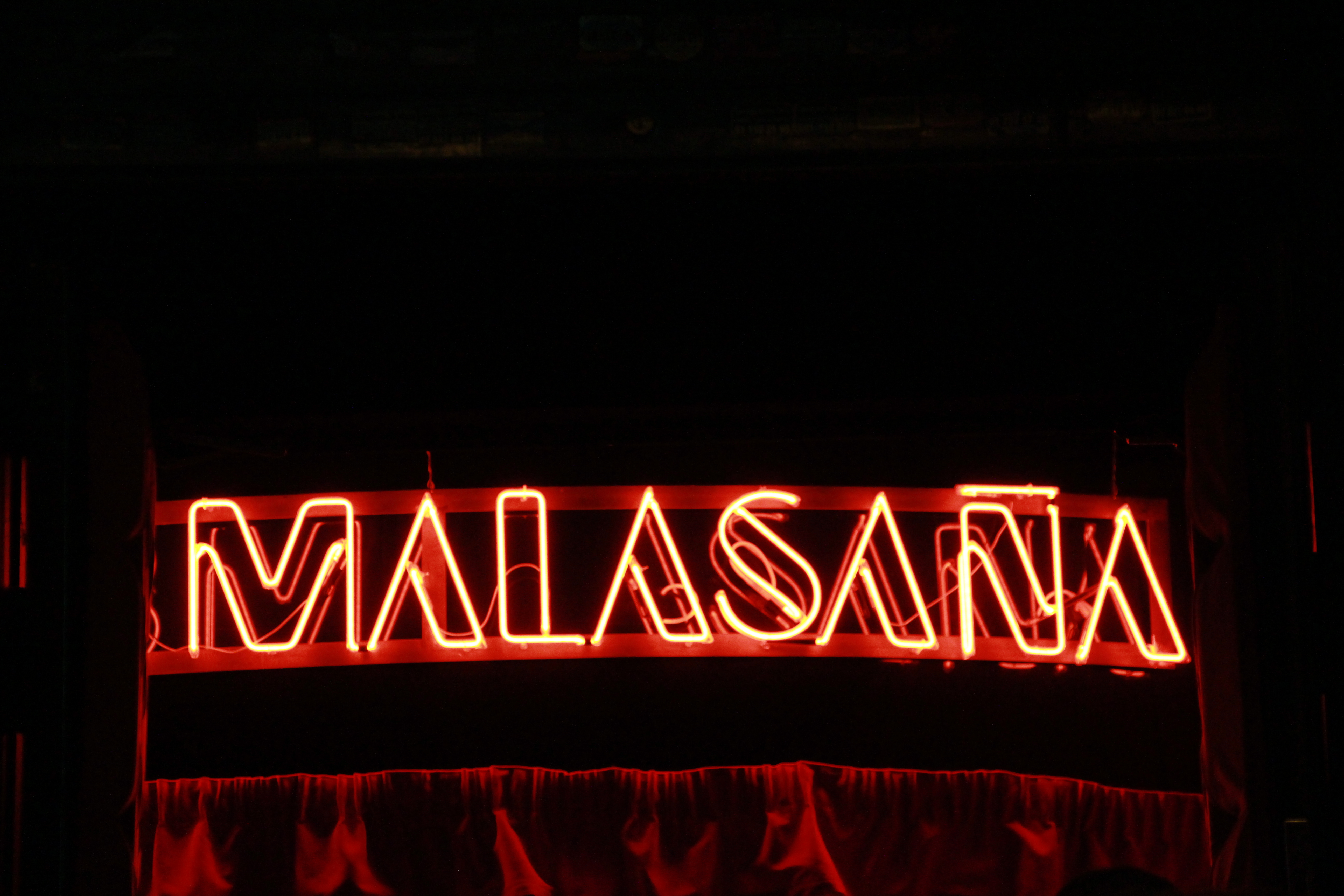
The second great revolution of the neighbourhood is cultural, the Movida Madrileña in the 1970s. After two great wars and the end of the ultra-conservative regime of the dictator Franco, the youth shattered the years of moral and military repression in the country.
The Malasaña neighbourhood, home to this new revolt, is the most spectacular symbol of it. The Malasaña district, the focus of this new revolt, is the most spectacular symbol of it. People from all over the world met in the streets to exchange on art and thought. Since then, this atmosphere has remained all around the Plaza del Dos de Mayo. It is a place where you can find rural art and graffiti of all ages, in a modernized vintage atmosphere
A Hipster Quarter?
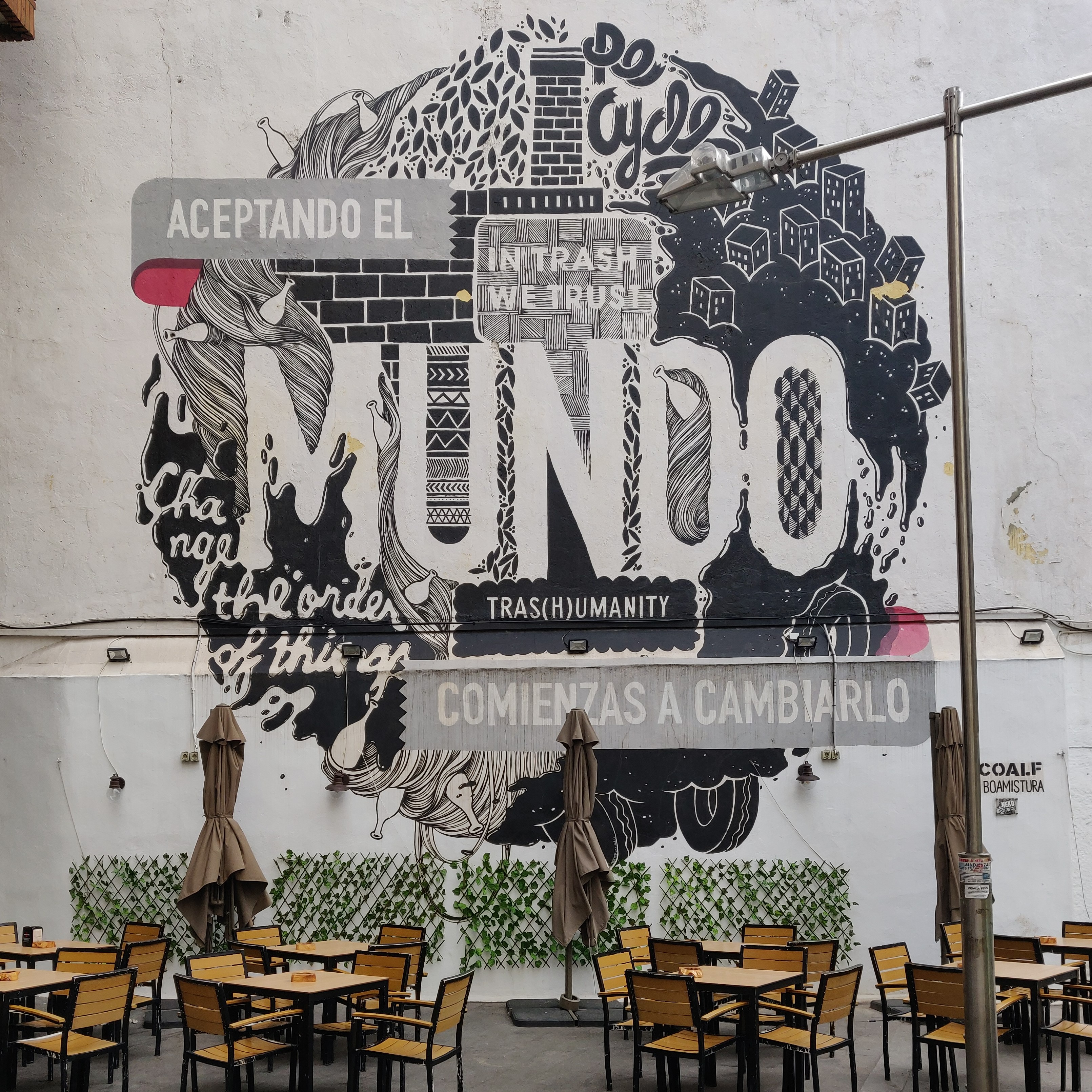
This young and eclectic neighbourhood is an open-air museum. Its narrow streets are full of vintage shops, urban art and theatre. There is something for everyone, yet nothing that resembles mass culture. But make no mistake, this is surely the most modern neighbourhood in Madrid, where artists, students and young expatriate families from all over the world meet. Every year, from April 27 to May 2, the "fiestas del Dos de Mayo" are celebrated, an event from 7 to 77 years old where you can live Madrid's culture to the fullest
We have already gone back in time once, and now we are back in the present. But our journey does not end here, it has just begun. Now that we know what the streets of the Malasaña district hide, it's time to live the Movida Madrileña experience to the full. In order to discover all the hidden gems of the district, I suggest that we start our journey back in time, but this time in the opposite direction: from the present to the past. Nowadays, the Malasaña district is one of the most accessible in Madrid. Surrounded by metro lines 1, 2, 3, 4 and 5, it is divided into two zones by line 10. The southern part of Malasaña is closer to the centre, or Centro.
From Gran Via, the new, almost futuristic metro station, opened in July 2021 after several years of work, we can walk up the city through Plaza de la Luna. You can start the day with a delicious brunch, often featuring South American cuisine. Then, as you head north, you'll discover colorful architecture illuminated by the morning sun, contemporary art theatres, multiple religious buildings, timeless bookstores, vintage thrift stores, bric-a-brac markets, and unique and original shops. As soon as you arrive in the northern part of the neighborhood, take the time to sit down on the terrace of a restaurant or bar. You will then be able to go back in time a little more to discover the surroundings of the Plaza del Dos de Mayo. For the more curious and daring, go back again to the crazy nights of Malasaña under the stars of La Via Lactea